





Replica Watch Guide 2026: Everything You Need to Know
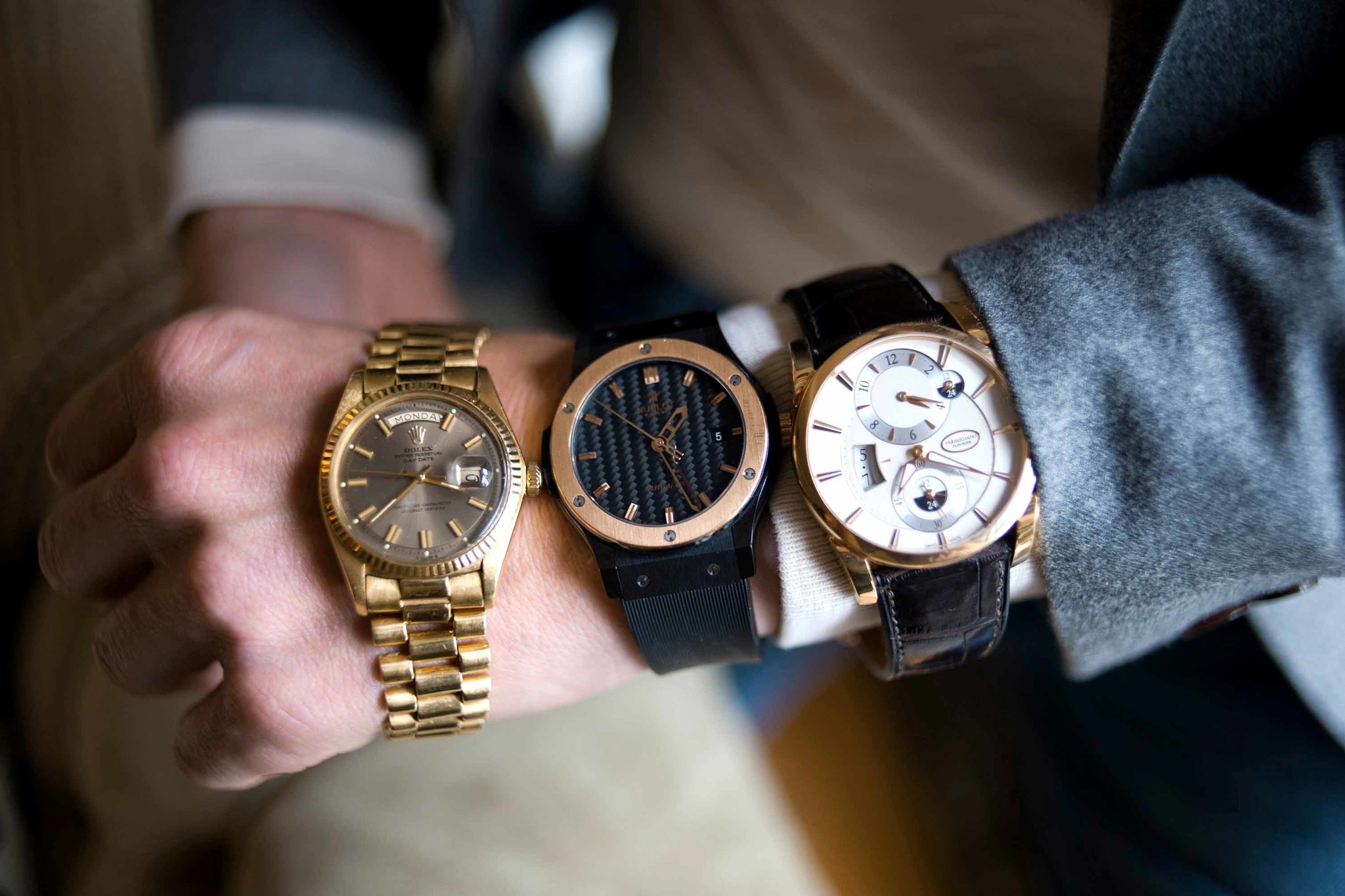
Replica watches have quietly evolved over the past decade, moving from cheap imitations to highly sophisticated pieces that can closely resemble luxury originals. In 2026, the market is more complex than ever, with terms like “super clone” and “1:1 replica” becoming common. If you're considering buying one, it’s worth understanding what you’re actually getting into.
What is a replica / super clone watch?
A replica watch is a timepiece designed to imitate the look of a genuine luxury watch. These can range from low-quality copies to extremely detailed reproductions. The term “super clone” typically refers to the highest tier of replicas. These watches aim to replicate not just the appearance but also the weight, movement, and finishing of the original model.
Super clones often use automatic movements that mimic the functionality of authentic luxury watches, and in some cases, even experienced collectors may need to take a closer look to tell the difference.
What is the difference between original and replica watches?
The most obvious difference is authenticity. Original watches are produced by the official brand, using proprietary designs, certified materials, and strict quality control. Replica watches, no matter how well made, are not authorized by the brand.
Beyond that, differences usually appear in materials, craftsmanship, and movement precision. Originals often use high-grade metals, sapphire crystals, and in-house movements engineered for long-term reliability. Replicas may look similar on the surface but typically use more accessible materials and modified movements.
Another key difference is value retention. Authentic watches can hold or even increase in value over time, while replicas have no resale value in legitimate markets.
Are replica watches good quality?
Quality varies dramatically. Entry-level replicas are often poorly made and may not last long. However, high-end replicas—especially super clones—can offer surprisingly solid build quality.
These higher-tier replicas often feature decent finishing, reliable automatic movements, and acceptable durability for everyday use. Still, they are not built to the same standards as genuine luxury watches. Even the best replica is ultimately an imitation, and inconsistencies can still exist.
How long do replica watches last?
The lifespan depends largely on the quality tier and how the watch is used. Lower-end replicas might last only a few months to a year. Mid-range replicas can last a couple of years with careful use.
Super clones, when maintained properly, can last several years. However, they generally won’t match the longevity of authentic watches, which are designed to function for decades with proper servicing.
Regular care—like avoiding water exposure (unless clearly rated), keeping it clean, and not overwinding—can help extend its life.
Is it illegal to buy a replica watch?
This depends on where you live. In many countries, buying a replica watch for personal use is not strictly illegal, but selling or distributing counterfeit goods is usually against the law.
However, laws vary significantly by region, and customs authorities in some countries may seize replica items during shipping. It’s important to understand local regulations before making a purchase, especially if ordering internationally.
Can replica watches be repaired?
Yes, but with limitations. Many replica watches use standard or modified movements that some watchmakers are willing to service. Basic repairs—like replacing batteries (for quartz models), adjusting straps, or fixing minor mechanical issues—are usually possible.
That said, not all watchmakers will agree to work on replicas, and sourcing specific replacement parts can be difficult. In some cases, repairing a replica may not be cost-effective compared to replacing it.
Is there a difference between replica and counterfeit watches?
The terms are often used interchangeably, but there can be subtle differences depending on context. “Counterfeit” typically refers to illegal copies that are passed off as genuine products, often with the intent to deceive buyers.
“Replica,” on the other hand, can sometimes be used more loosely to describe watches that are inspired by or resemble luxury designs, even if they are not directly marketed as authentic. In practice, though, most replica watches—especially those branded as luxury copies—fall into the counterfeit category legally.
Understanding this distinction matters, particularly when it comes to legality and ethical considerations.
Replica watches in 2026 occupy a gray area between affordability and authenticity. Whether they’re worth it depends on what you value more: the appearance of luxury or the real craftsmanship behind it.
Latest posts
May 04, 2026


